
Air Astana Group reports financial impact amid escalating PW1100G technical challenges
Persistent GTF engine removals and powder metal contamination weigh on third-quarter earnings
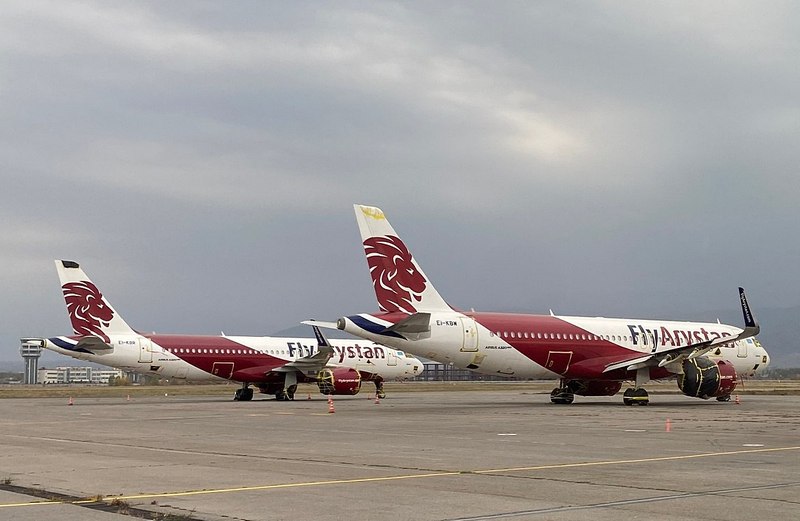

Air Astana Group, Kazakhstan’s largest carrier, is navigating a significant increase in unscheduled engine removals involving the Pratt & Whitney PW1100G-JM Geared Turbofan (GTF) fleet. These technical challenges affect the Airbus A320neo family aircraft operated by both the mainline carrier and its low-cost subsidiary, FlyArystan, necessitating a strategic shift in capacity management and fleet maintenance.
The frequency of engine failures intensified throughout 2025. After recording three unscheduled removals in the first quarter and five in the second, the figure surged to 11 removals during the third quarter. These disruptions are primarily attributed to design-related defects and powder metal contamination in critical engine components, an issue that continues to impact the global PW1100G fleet.
Critically, the average “off-wing” turnaround time for these units remains at 18 months, creating a substantial logistical bottleneck.
Operational constraints have had a marked impact on the group’s financial results. CEO Peter Foster noted that the increased failure rate and subsequent groundings resulted in a $25.5 million reduction in EBITDAR for the third quarter, which settled at $105.2 million. Net profit for the quarter declined by 56% year-on-year to $20.6 million.
In response, the group is engaged in vigorous negotiations with Pratt & Whitney regarding financial compensation for aircraft downtime and the delivery of upgraded engines scheduled for 2026. Furthermore, with the onset of the low season, the Group has proactively reduced the operation of its “neo” fleet to ensure maximum aircraft availability for the upcoming summer peak.
To maintain operational integrity, Air Astana has implemented several contingency measures, including the acquisition of 13 spare PW1100G engines and the leasing of five previous-generation A320 aircraft. Since January 2024, the group’s in-house technical facilities have performed 180 engine swaps to keep the fleet moving.
Despite these headwinds, the group’s passenger metrics remain robust. Third-quarter traffic volume grew by 8.8%, with 3 million passengers carried. Since the beginning of the year, the Group has transported 7.5 million people, representing a 10.5% increase over the previous year.
Currently, Air Astana’s fleet consists of 11 A320neo, 17 A321neo, and three previous-generation A321 aircraft. FlyArystan operates 12 A320neo and 16 previous-generation A320 airliners.
Don't miss our articles — subscribe
Key commercial aviation news from Central Asia and the South Caucasus — once a week, in your inbox.
Editor’s Choice
-
Air Astana bracing for GTF engine issues through 2028
AirlinesMRONews -
Air Astana Group secures component supplier for A320 fleet
AirlinesMRONews -
Air Astana Group extends Dubai suspension through end of summer schedule
AirlinesNews -
Air Astana incurs H1 loss as passenger volumes soften
AirlinesEditor's ChoiceNews
Editor’s Choice
-
Air Astana bracing for GTF engine issues through 2028
AirlinesMRONews -
Air Astana Group secures component supplier for A320 fleet
AirlinesMRONews -
Air Astana Group extends Dubai suspension through end of summer schedule
AirlinesNews -
Air Astana incurs H1 loss as passenger volumes soften
AirlinesEditor's ChoiceNews